1. Using Too Many Colors


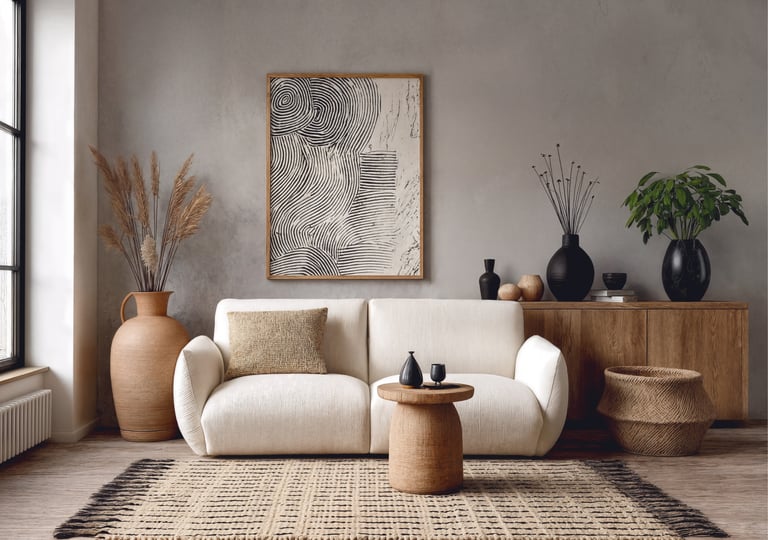
Harmonious living room
A room can have beautiful colors and still feel flat.
Texture adds depth and warmth.
Consider mixing:
Linen
Wood
Stone
Woven materials
Ceramics
The contrast between textures makes a space feel layered and inviting.


2. Filling Every Surface With Decor
A room filled with multiple competing colors can feel visually overwhelming.
Instead of choosing five or six accent colors, try building your space around a simple palette of three to four tones.
For example:
Warm white
Sand beige
Terracotta
Soft olive green
A limited color palette creates harmony and makes a room feel more intentional.
4. Ignoring Natural Light
Shelves, coffee tables, consoles, and countertops don't need to be covered with decorative objects.
When every surface is full, individual pieces lose their impact.
Instead, choose a few items you truly love and give them space to stand out.
3. Choosing Furniture That's Too Small
Many people assume smaller furniture will make a room feel larger.
In reality, the opposite is often true.
A sofa that is too small or several tiny tables can make a room feel fragmented.
Whenever possible, choose fewer but slightly larger pieces to create a more cohesive look.


6. Decorating Without Texture
This is one of the most common decorating mistakes.
Artwork should feel connected to the furniture below it.
As a general rule, art should be positioned at eye level rather than close to the ceiling.
A simple adjustment can completely change the balance of a room.
5. Hanging Artwork Too High
7. Following Every Trend
Natural light is one of the most valuable design elements in any home.
Heavy curtains, dark furniture blocking windows, or overcrowded layouts can make a room feel darker and more cramped.
Maximize natural light by keeping window areas open and using light-reflecting materials whenever possible.
8. Using Only One Light Source
Trends can be inspiring, but a home built entirely around trends often feels temporary.
Instead of redesigning a room every year, focus on timeless foundations:
Natural materials
Neutral colors
Comfortable furniture
Quality lighting
Then add smaller trend-driven accents if desired.
Looking for more interior design inspiration ?
New articles will be published on this site in the coming days, so stay tuned for fresh inspiration and design insights !
If you have any questions or would like to learn more, don't hesitate to get in touch via "Contact".
Have you ever walked into a room and immediately felt overwhelmed, even though nothing seemed obviously wrong ?
In many cases, the problem isn't the furniture, the paint color, or the size of the room. It's visual clutter.
A home doesn't need to be minimalist to feel calm and inviting. However, a few common decorating mistakes can make even a beautiful space feel chaotic and uncomfortable.
Here are ten mistakes that often make a home feel busier than it needs to be, and simple ways to fix them.
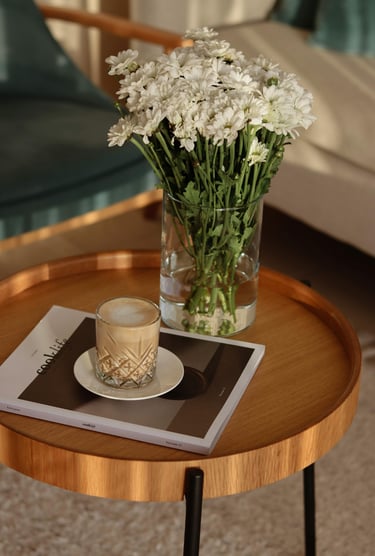
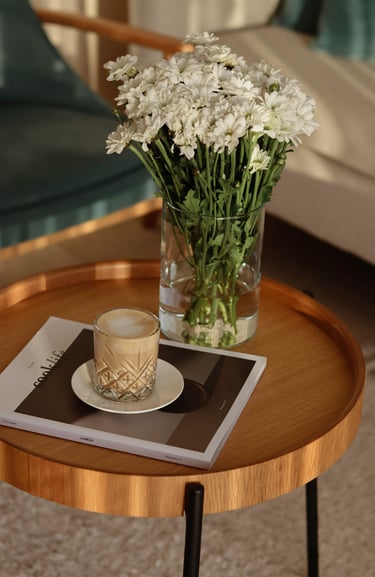
For example, a vase, a candle, and a small decorative object can create an elegant arrangement on a coffee table without overwhelming the space.
A simple decorating guideline is to group objects in sets of three whenever possible.
Three elements often feel more balanced and visually interesting than one or two, while still avoiding clutter.
A single ceiling light rarely creates a comfortable atmosphere.
The most inviting homes combine several types of lighting.
Try layering:
Table lamps
Floor lamps
Wall lights
Natural light
This creates warmth and visual depth throughout the room.
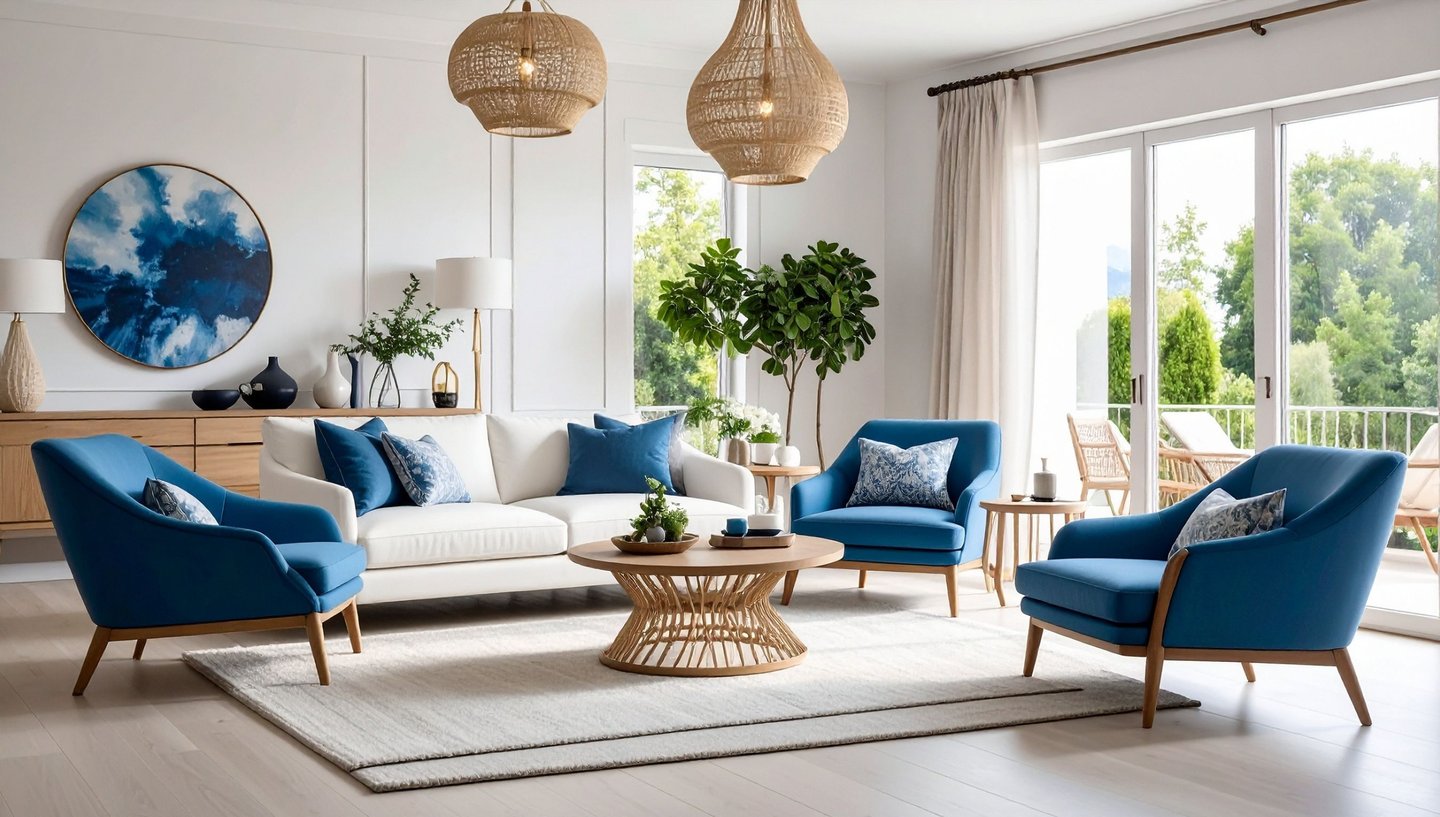
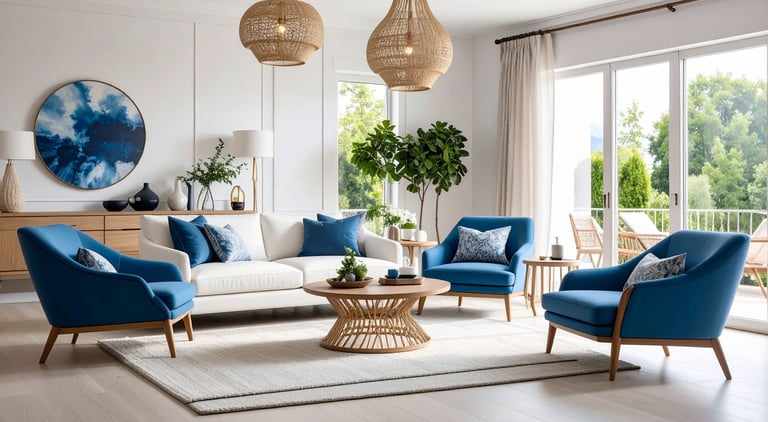
Many people automatically place furniture around the perimeter of a room. Surprisingly, this can sometimes make a space feel less inviting.
Creating small conversation areas often improves both flow and comfort.
9. Pushing Every Piece Against the Wall
BONUS. Try the "One Surface Reset" Rule
One of the easiest decorating upgrades takes less than five minutes.
Choose one surface in your home : a coffee table, console, nightstand, or kitchen counter, and remove everything from it.
Then, place back only three items that you genuinely love or use regularly.
This simple exercise instantly reduces visual clutter and helps you see your space with fresh eyes. It also highlights the objects that truly deserve attention instead of letting them get lost among unnecessary items.
A room often feels more stylish not because you added something new, but because you gave your favorite pieces room to shine.
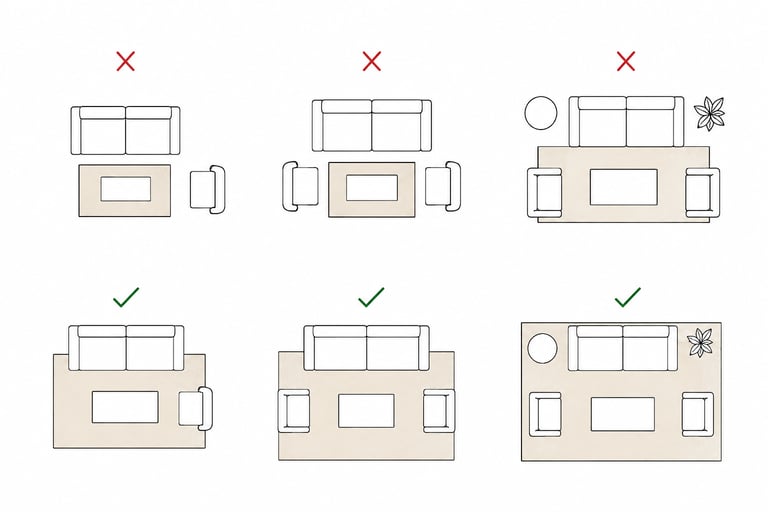
A small rug can make furniture feel disconnected and create the impression that the space is smaller than it actually is.
To avoid this, choose a rug large enough for at least the front legs of your sofa and chairs to sit on it.
In larger living rooms, all the main furniture pieces should ideally be anchored by the rug.
10. Choosing a rug that's too small